Introduction If you have ever ordered a custom metal part or worked with a metalworking supplier, chances are CNC machining was involved somewhere in the process. But what exactly is it, and why has it become the standard in modern precision manufacturing?
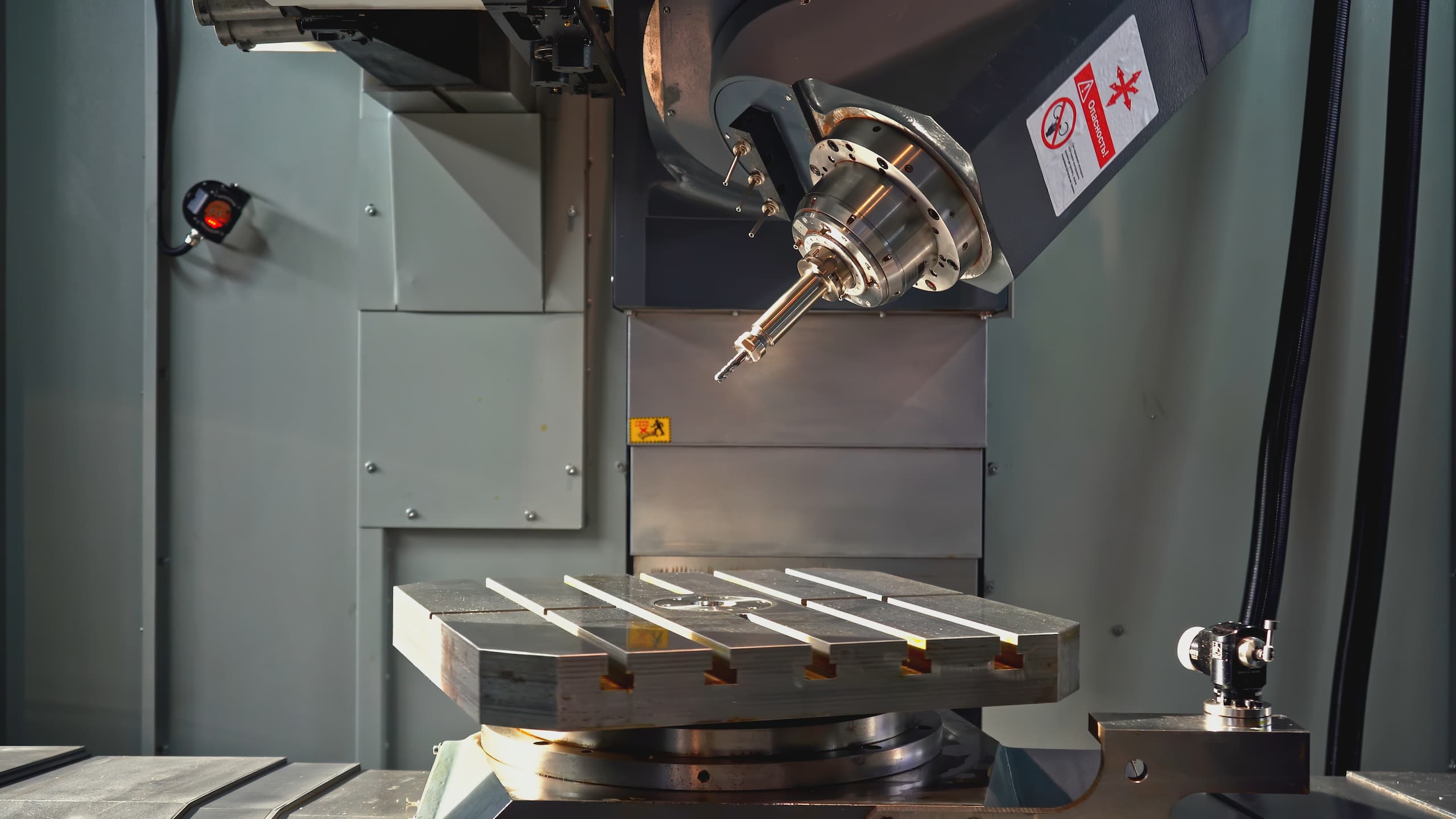
What CNC Actually Means CNC stands for Computer Numerical Control. In simple terms, it means that a machine — a mill, a lathe, or a cutting tool — is guided by a computer program rather than operated manually by hand. The operator sets up the machine and loads the program, and from that point the machine follows a precise set of instructions to cut, shape, or drill the material.
Why It Matters for Your Business The biggest advantage of CNC machining is consistency. When you need ten parts, or a hundred, or a thousand — every single one comes out to the same specification. There is no variation caused by human error or fatigue. For businesses that rely on metal components fitting together correctly or functioning within tight tolerances, this consistency is not a nice-to-have, it is essential.
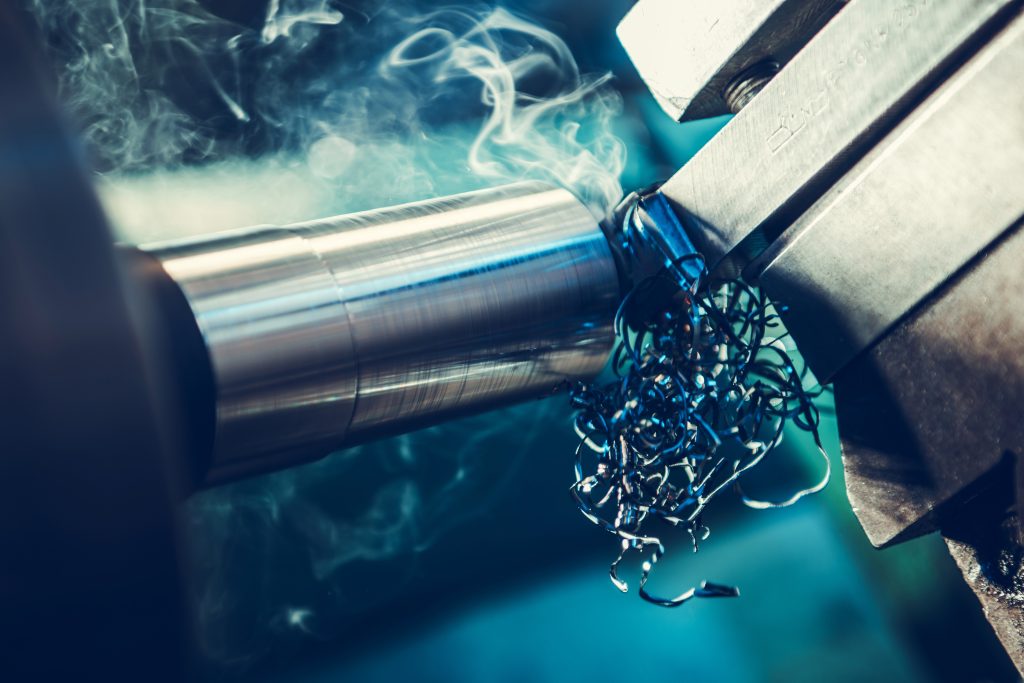
CNC machining also allows for a level of complexity that would be extremely difficult or impossible to achieve manually. Curved surfaces, deep holes, intricate contours — modern CNC equipment handles all of these with speed and accuracy.
The Bottom Line CNC machining has transformed the metalworking industry by making precision manufacturing accessible, repeatable, and efficient. Whether you are sourcing a one-off prototype or a recurring batch of components, working with a CNC-equipped supplier means you can trust that what you receive matches exactly what you specified.