Introduction Sheet metal forming is one of the most widely used processes in manufacturing. From simple brackets and frames to complex enclosures and structural components, bending and punching are at the heart of how flat sheet metal becomes a finished, functional part. Here is a straightforward explanation of both processes and when each one is used.
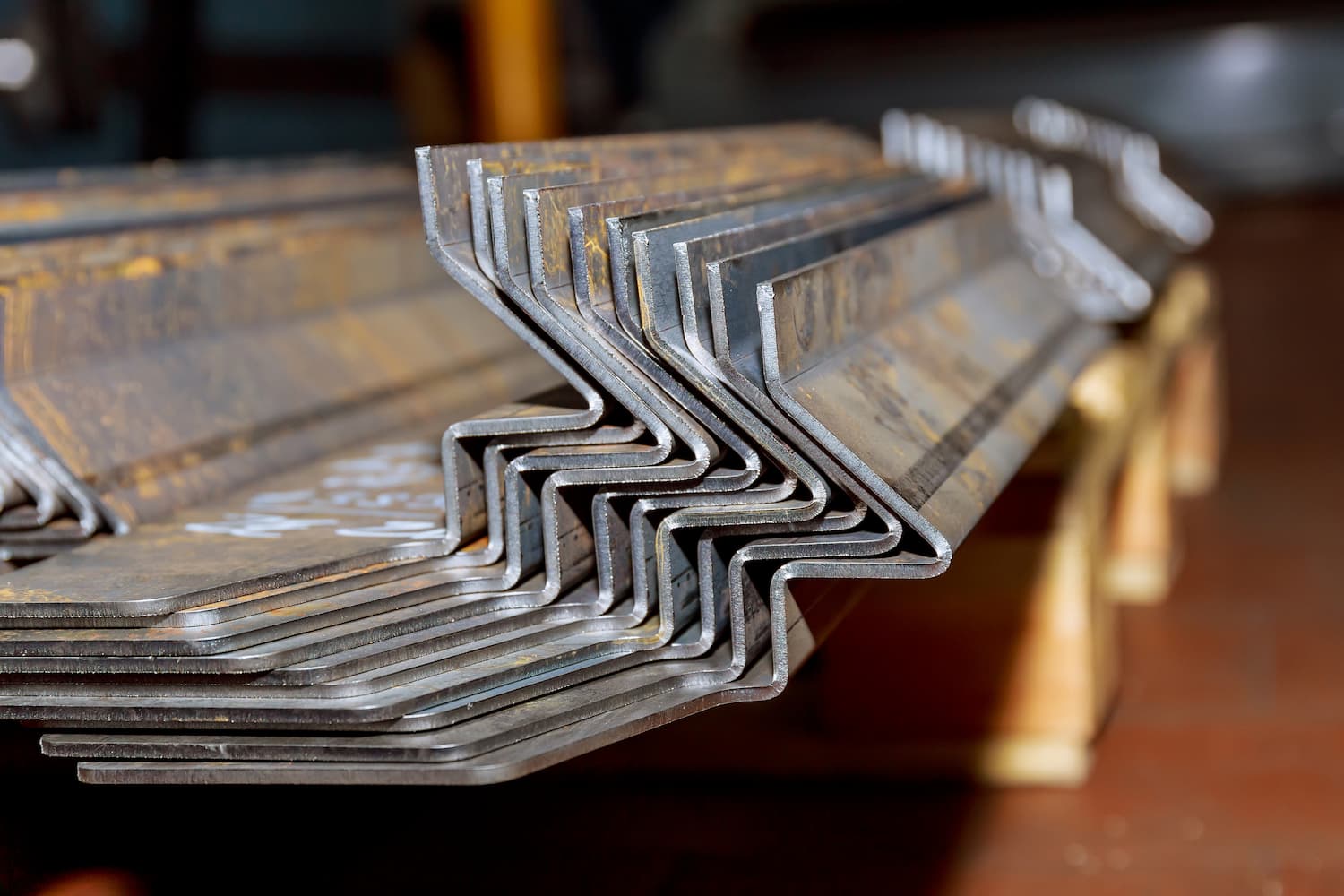
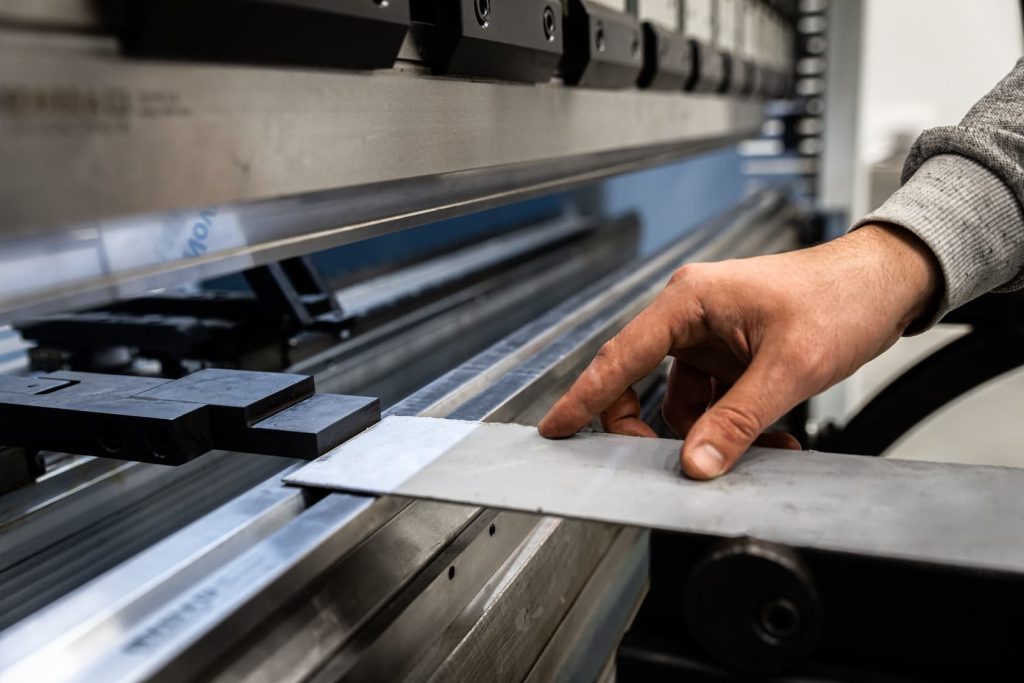
What Is Sheet Metal Bending? Bending is the process of applying force to a sheet of metal along a straight line to create an angle or curve. This is typically done using a press brake — a machine that clamps the sheet and uses a punch and die to fold it to the required angle. The result can be anything from a simple 90-degree bracket to a multi-bend enclosure or channel profile.
The key variables in bending are the material type, the sheet thickness, and the bend radius. Thicker and harder materials require more force and have a larger minimum bend radius — meaning they cannot be folded as sharply as thinner, softer materials.
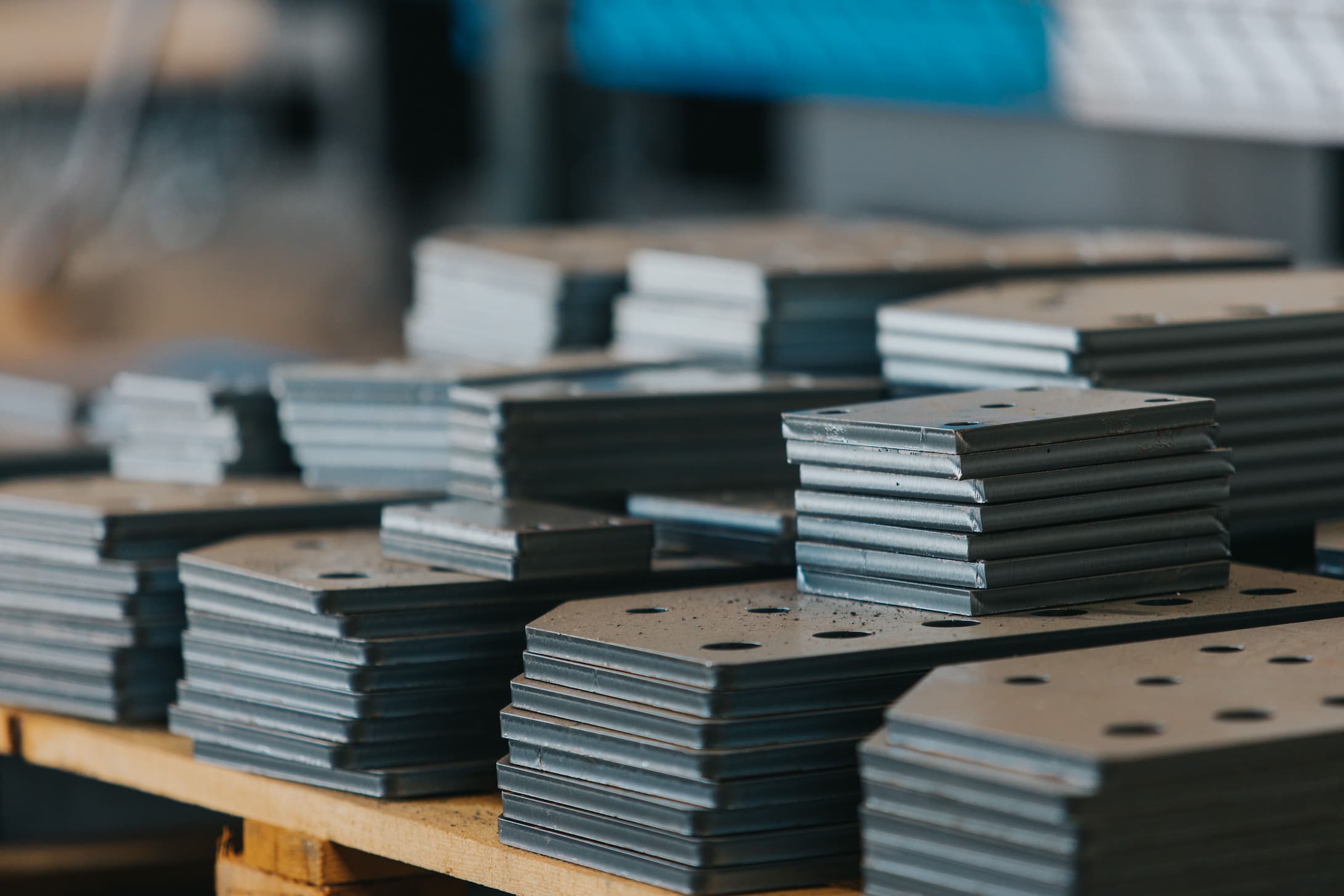
What Is Punching? Punching uses a hardened tool called a punch, driven through the sheet metal into a matching die beneath it, to create holes, slots, or cutouts. It is a fast and highly repeatable process, making it ideal for parts that require multiple identical holes or features across a batch.
Punching is commonly used for ventilation holes, mounting points, cable cutouts, and decorative perforations in sheet metal components.
Why They Often Go Together Bending and punching are frequently performed on the same part — a sheet might be punched first to create all the required holes, and then bent into its final shape. Having both capabilities available from a single supplier simplifies the production process and ensures better consistency across the finished parts.